

5: Circular Economy, Landfills, and What Comes Next
Beyond segregation and data, SWM 2026 pushes green solutions:
- Refuse-Derived Fuel (RDF): Industries like cement and paper must use RDF (processed non-recyclable waste). Usage must rise from 5% today to 15% over the next 6 years.. This turns residual waste into an energy source, reducing fossil fuel use.
- Circular mandates: Producers of materials (plastic, glass, paper, electronics) have Extended Producer Responsibility (EPR) targets under separate laws. The SWM Rules support EPR by channeling dry waste to recyclers. The combined effect is to keep materials in use as long as possible.
- Landfill restrictions: Only inert (non-biodegradable) waste should go to landfills. Dumping mixed or segregatable waste will carry higher charges than the cost of treatment. In other words, municipalities must discourage sending recyclables or organics to the dump by making it expensive..
- Legacy waste remediation: Every old dumpsite must be biomined and remediated on a timetable. State boards will map all legacy dump sites and oversee their cleanup (turning old waste into fuel/compost where feasible).
- Special provisions: Hilly regions and islands can regulate tourist numbers based on their waste handling capacity. Local bodies there may levy separate fees on visitors to cover waste costs.
Finally, SWM 2026 outlines timelines: ULBs in cities of different sizes get 18–36 months (from 2026) to comply fully. State governments must issue their waste-management plans within a year. This phased compliance recognizes the on-ground challenges, but also emphasizes prompt action.
What Residents & Businesses Must Do: Conduct a waste audit to know what you generate. Set up the four-bin system with signage in local languages. If you’re a bulk generator, install composters/biodigesters for your wet waste or get the EBWGR certificate. Register on the CPCB portal, file your waste returns, and only work with authorized recyclers.
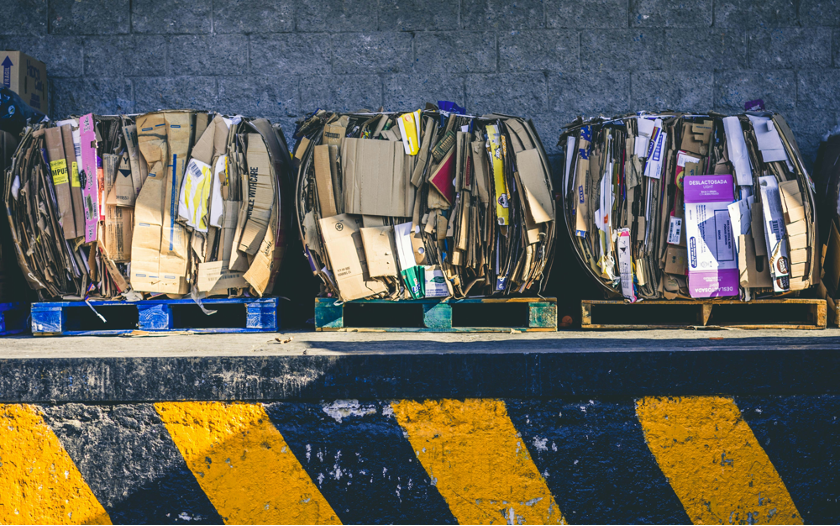
Key Point: SWM Rules 2026 are comprehensive. They demand participation from every household up to the biggest industry. Compliance (segregating waste, processing organics, using authorized recyclers, paying user charges) is no longer optional[8][12]. Countries that have tackled waste successfully (e.g. Germany, Japan) use similarly strict rules. India’s path is challenging, but with everyone’s cooperation, it promises cleaner cities and a true circular economy.
Final Summary
The Solid Waste Management Rules 2026 mark a decisive shift in India’s approach to waste—from disposal to responsibility, and from burden to opportunity.
By enforcing source segregation, defining clear responsibilities for bulk waste generators, promoting recycling and circular economy practices, and introducing accountability through penalties, these rules aim to build a cleaner and more sustainable future.
But policies alone are not enough.
Real impact happens when:
- Individuals segregate waste at home
- Communities take ownership
- Organizations manage their waste responsibly
The message is simple:
👉 Waste is not the problem — mismanagement is.
👉 Segregation is the first step toward sustainability.
If implemented effectively, SWM Rules 2026 can transform waste into a valuable resource and pave the way for a circular, zero-waste India. ♻️